Introduction
There is a quiet rhythm to the life cycles of trees that shape Devon’s landscape. Oaks, beeches, sycamores, and ashes, each with their quirks and strengths, have persisted through centuries of storms, human activity, and shifting climates. By understanding how these familiar giants progress through life, from vulnerable saplings to grand elders, communities and nature-lovers alike can better appreciate the dynamic woodlands all around them.
The Most Common Trees of Devon
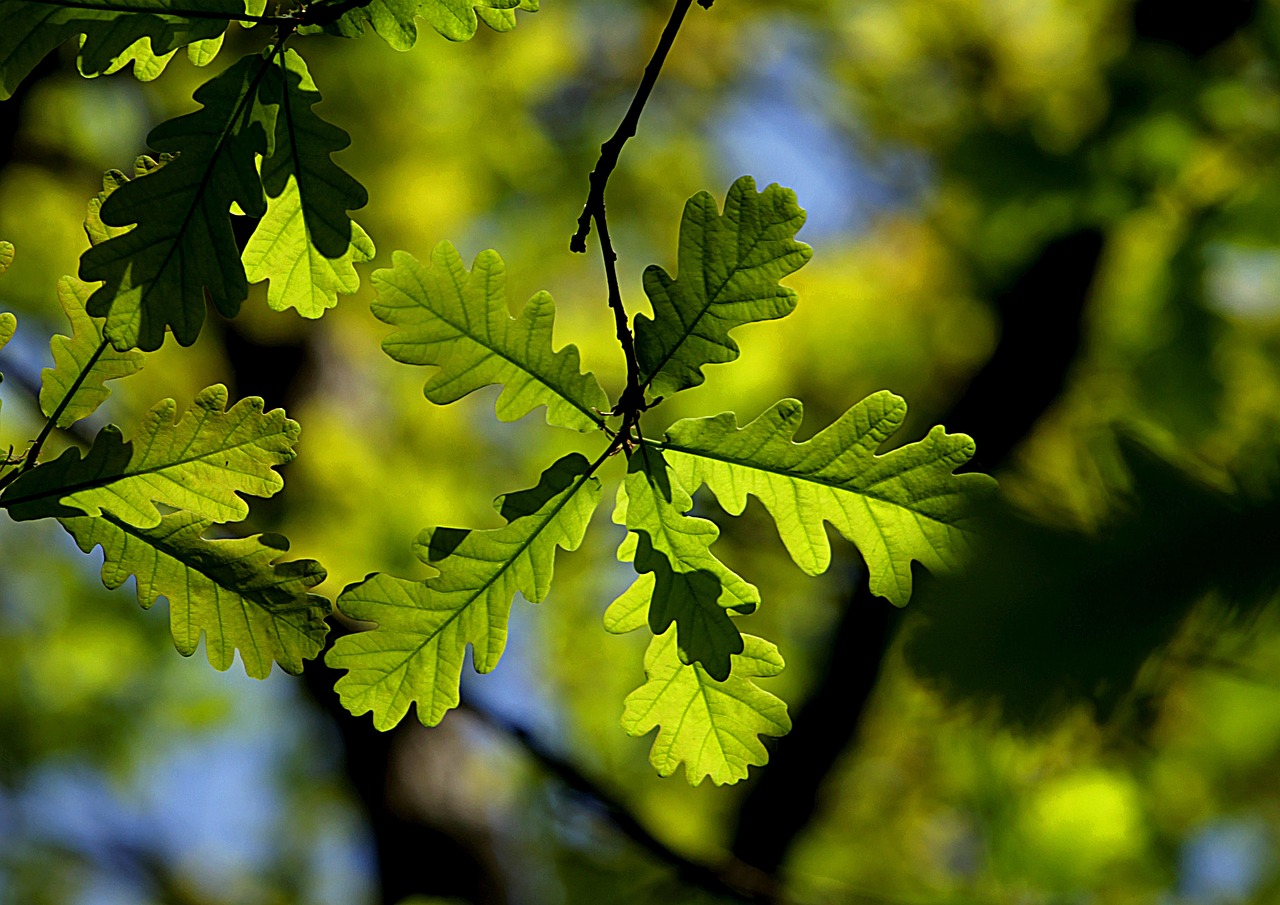
Devon’s gently rolling hills and varied climate nurture an impressive array of native trees. Oak stands tall among them, especially the English oak (Quercus robur), often regarded as the backbone of local woodlands. Beech, ash, sycamore, and hazel are also found throughout hedgerows and forests. Down in sheltered valleys, alder and willow thrive near waterways, while hawthorn and blackthorn commonly line field boundaries. This regional diversity allows for a mix of habitats supporting countless wildlife species throughout the year.
Stages of a Tree’s Life Cycle
Every tree begins its journey in the soil as a seed holding all its genetic potential. These seeds fall at different times. Oaks drop acorns in autumn, while hazel nuts appear in late summer. Depending on conditions, seeds might germinate immediately or rest through the winter, waiting for warmth and moisture.
Seedling and Sapling Years
Soon after germination, the seed sends out roots and a shoot. The initial years as a seedling and then as a sapling are filled with challenges: competition for light, risk of trampling or browsing, and ever-changing weather. Rapid growth in this phase allows the sapling to reach above competing undergrowth. In Devon’s woodlands and hedgerows, well-established understorey. Think hawthorn or hazel. May protect young trees from grazing animals such as deer and livestock. However, open ground can mean exposure to harsh weather conditions that damage young trees or herbivores.
The Vigorous Growth of Maturity
As a tree moves past the sapling stage, it enters a phase marked by steady and often impressive growth. Local climate and position make a clear difference. In coastal areas of Devon, exposure to wind and salt creates gnarled, hardy trees, while more sheltered valleys allow for taller canopies and deeper roots. During these prime decades, oaks and beeches produce significant leaf and root growth, helping to stabilise the soil and provide habitats for insects, birds, and mammals.
This is often the most productive chapter. Trees channel energy into producing leaves for photosynthesis, developing seeds or nuts, and expanding their crowns. It is easy to overlook the resilience required here: repeated cycles of drought, storm damage that splits mature trunks, and local competition challenge even mature specimens. Yet, it’s this longevity that helps anchor woodlands and hedgerows across Devon’s landscape.
Old Age and Legacy
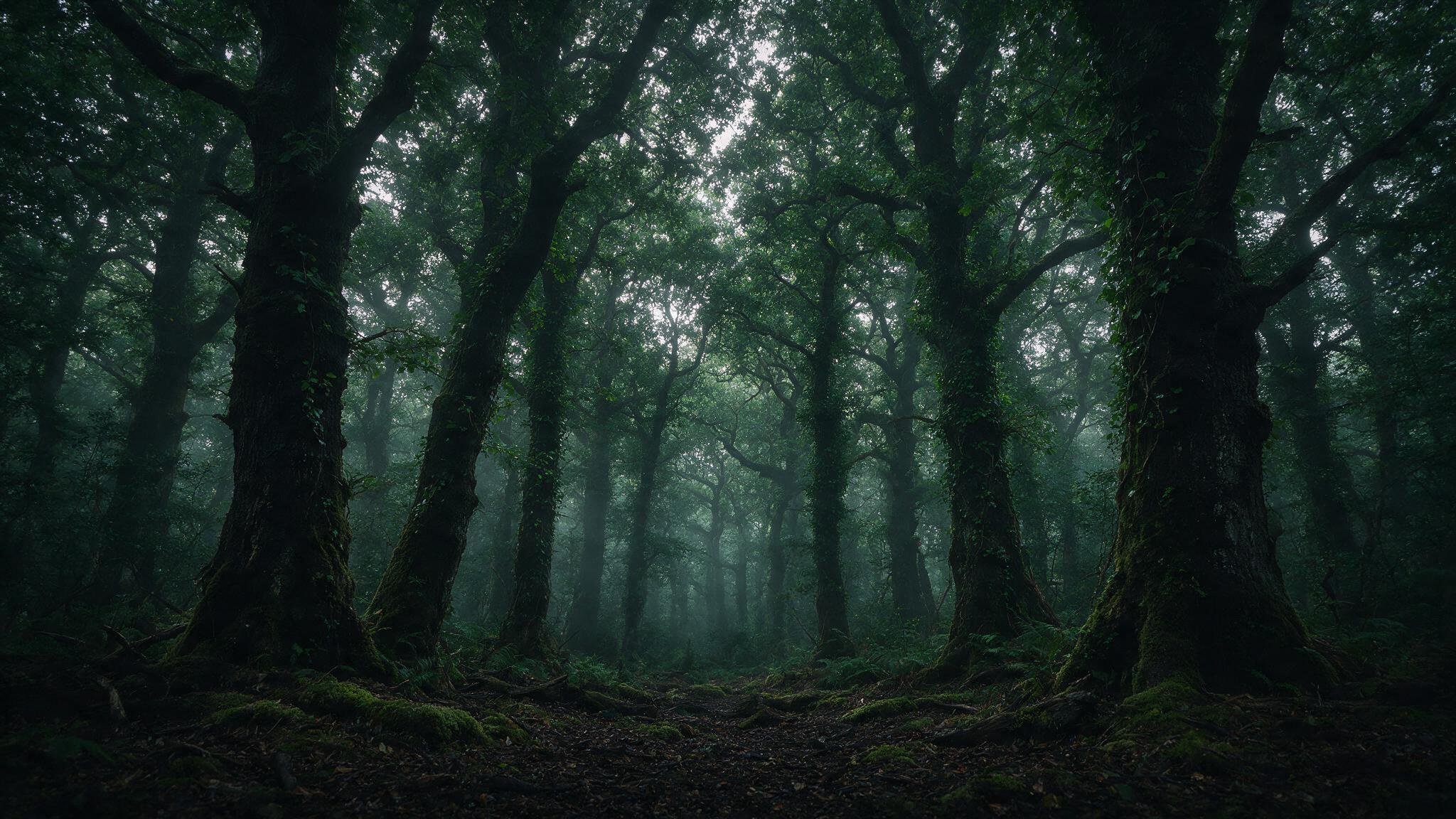
Ageing trees develop character and play a particularly vital role. Ancient oaks and beeches, some centuries old, become central features in Devon’s landscape history. Over time, trunks grow hollow, branches thicken, and the crown may reduce as age takes its toll. Fungi, mosses, and lichens thrive in the nooks of old bark. Decaying wood becomes a rich resource for beetles and birds, while hollow trunks and cavities are perfect refuges for owls and bats.
Some trees, like yews, demonstrate incredible lifespans, with churchyard specimens in Devon believed to be over a thousand years old. As their health fades, their ecological impact often increases. Deadwood supports saproxylic insects and encourages nutrient cycling back into the soil. A final act that benefits future generations.
What Makes Devon Different?
Devon’s position between coast and moor gives rise to its unique natural pressures. High winds, variable rainfall, and diverse soils influence every stage of a tree’s existence. Soil salinity rises closer to the coast, limiting the species able to thrive and stunting growth. Meanwhile, inner valleys shelter trees from the worst of winter’s bite, creating pockets where even ancient beeches and oaks continue to flourish.
Flooding and drought cycles pose twin challenges. In waterlogged soils, root systems sometimes struggle for oxygen, while dry summers threaten young saplings that have not yet developed deep roots. The diversity of Devon’s tree population is, in part, a living record of which species adapt to these natural swings. Trees not only reflect these environmental patterns but help buffer them, stabilising riverbanks and moderating local climates through transpiration and shading.
Regeneration and Woodland Renewal
Once an old tree dies, the story does not end. Natural regeneration is alive and well in Devon’s woodlands, aided by a rich understorey and the continued management of hedgerows. Many native species, such as oak and hazel, reproduce successfully when given light and space. Coppicing. An ancient method still used in some parts of Devon. Involves cutting trees back to the stool, prompting new shoots to sprout from the base. This practice not only extends the lifespan of certain species but maintains a mosaic of woodland ages that benefits wildlife diversity, echoing the same principles behind regular hedge maintenance that encourages vigorous growth.
Climate is gradually shifting the boundaries of what can grow. Researchers note changes in the rate at which certain species mature, influenced by warming temperatures and shifting rainfall patterns. However, resilience is a theme running throughout Devon’s tree history. Active management, combined with the natural mechanisms of seeding, sprouting, and decay, helps ensure that woodlands continue to thrive for generations.
The Role of Trees in Devon’s Wider Landscape
Local woods, hedges, and lone trees in fields shape everything from wildlife corridors to village boundaries. Oak is a keystone tree, supporting hundreds of animal species, with acorns providing food for birds and mammals through autumn and winter. Hawthorn hosts early spring pollinators, while beech and sycamore form the backbone of many historic avenues.
Hedgerow trees, often beech or oak, stand as witnesses to changing field boundaries and farming traditions. They offer not only shade and shelter for livestock, but also contribute to soil health, reduce erosion, and encourage a wealth of insects and birds, with well-maintained hedge trimming services helping preserve these long-standing boundaries.
Challenges Facing Devon’s Trees
Pressure from disease and pests presents an ongoing challenge. Ash dieback has reduced populations in certain areas, while climate factors such as hotter summers and wetter winters continue to test the resilience of Devon’s woodlands. Ancient trees, although often remarkably tough, are vulnerable to stresses that young trees can sometimes withstand, such as soil compaction and early signs of fungal decay in root systems.
Active woodland management and the planting of native species are crucial to maintaining the delicate balance. Supporting regeneration, respecting natural growth cycles, and protecting old trees through professional tree surgery practices means the landscape remains rich in both heritage and wildlife.
A Living Heritage: Why Tree Life Cycles Matter
Each phase in a tree’s life. Whether a hidden seed in winter soil, a young sapling reaching upwards, or an ancient trunk rich with life. Contributes to the tapestry of Devon’s rural scenery. The interconnectedness of these cycles ensures an ever-renewing supply of habitats and helps sustain the farmland, rivers, and communities that depend on healthy woodlands.
Paying attention to local species and their unique lifespans fosters a sense of stewardship. A centuries-old oak or a flourishing bank of hazel recalls a deeper timeline, inviting us to protect what nature has already perfected.
When you walk beneath the canopy of an old Devon woodland, remember the story playing out beneath your feet and above your head. Each tree is more than a backdrop: it is a chapter in a much larger narrative.
Now is the time to act: Take notice of the trees in your neighbourhood, support local planting initiatives, and learn about woodland management. Your curiosity and engagement shape the legacy left for the next generation.
Frequently Asked Questions
How long do common Devon trees live?
Native oaks in Devon sometimes reach 500 years or more, while beech, ash, and sycamore typically live for 150 to 300 years depending on local conditions and management. Ancient yews, especially in churchyards, are known to survive for more than a thousand years. Smaller species such as hawthorn and hazel usually have lifespans of 70 to 200 years, but effective coppicing can extend their productive years.
What is the best way to support natural woodland regeneration in Devon?
Maintaining mixed-age woodlands and protecting existing hedgerows are the most effective strategies. Allowing natural regeneration, practising traditional management methods like coppicing where suitable, and minimising disturbance from heavy machinery all encourage native species to thrive.