What Wildlife Lives in Mature Trees?
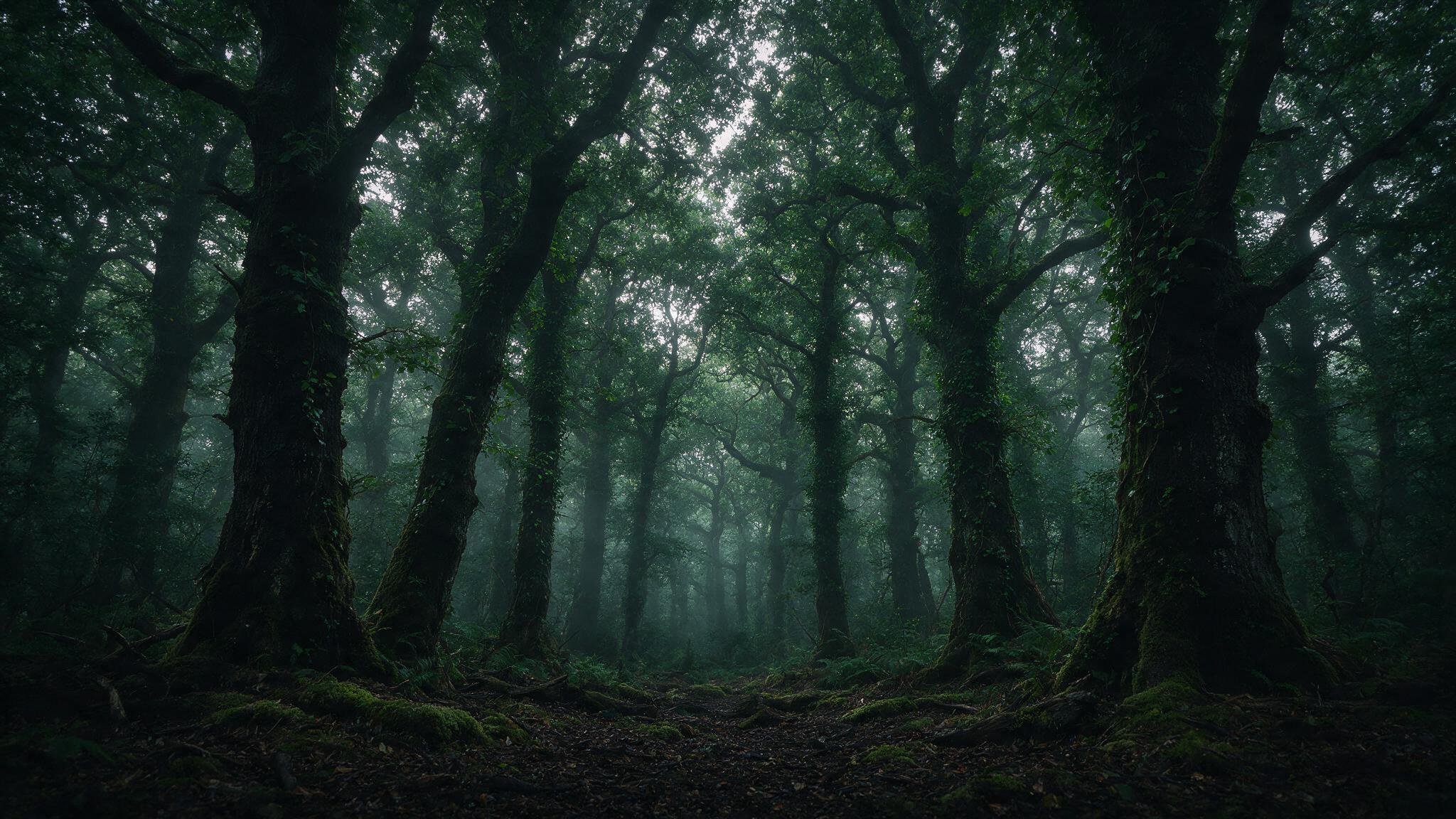
Mature trees hold a special place in any natural landscape, offering far more than deep roots and sprawling canopies. These living giants serve as the heart of woodland ecosystems, supporting a tapestry of life. Diverse animal species, thriving fungi, intricate webs of insects, mosses, and lichens all depend on the unique qualities found only in fully developed trees.
The Role of Mature Trees in Biodiversity
The complexity and age of mature trees create conditions that simply do not exist in saplings or shrubs. Cavities formed by decaying wood, thick bark, and wide-reaching branches shape distinct habitats that cater to a wide array of wildlife. As forests age, they develop structural features essential for hundreds of species, becoming havens where biodiversity flourishes.
Birds, mammals, amphibians, insects, and fungi all find specialised homes and feeding grounds in and around veteran trees. These green titans are not only shelter but also vital food sources, with their leaves, bark, fruit, and the insects they attract nourishing many animal types. Over decades, even centuries, ancient trees become central meeting points for life.
Birds: A Symphony Among the Branches
Many bird species prize mature trees for their nesting opportunities and cover. Woodpeckers, nuthatches, and owls often seek out old wood where natural cavities and abandoned woodpecker holes provide safe places to lay eggs. Jays and rooks gather acorns and other nuts from towering oaks, while songbirds such as tits and treecreepers feast on the plethora of insects living under bark and moss. Veteran trees with their broad crowns offer excellent vantage points and protection from predators, turning them into essential breeding and roosting sites.
Mammals: Secret Lives in the Canopy and Cavities
Mature trees act as multi-storey apartment complexes for mammals. Some species, such as red squirrels, use the dense canopies for feeding and nest-building. Bats, with their small bodies and nocturnal habits, make excellent use of cracks, hollows, and loose bark. These spaces provide day roosts and vital nurseries for raising young. Occasionally, larger mammals like badgers and deer venture underneath mature oaks and beeches in search of fallen fruit, nuts, or insect prey hiding in the leaf litter.
Old trees also support wood mice, dormice, and shrews, who forage within the tangle of roots and branches. Each crevice becomes a possible home for a secretive woodland resident, emphasising just how diverse a single tree’s community can be.
Insects, Fungi, and Other Hidden Guests
A vast array of insects relies on the specific features of mature trees. Veteran trunks host beetle larvae that burrow into decaying wood. Aphids, ants, and spiders take advantage of the complex microhabitats hidden beneath bark or inside rotted knots. These insects create a vital food supply for birds and mammals alike, linking the chain of woodland life.
Lichens, mosses, and fungi take hold where moisture and shelter accumulate. They flourish on older trunks and branches, feeding off organic matter and building unique microniches. Fungi, especially, are crucial for breaking down deadwood, transforming previously living tissue into nutrients others can use. Lichens can even be used as nesting material by some birds, further entwining them in the tree’s wider ecosystem.
Deadwood and Tree Cavities: Homes for the Overlooked
Dead and decaying sections of mature trees are especially valuable. Hollows, standing snags, and fallen logs act as refuges for countless creatures. Birds such as owls, woodpeckers, and blue tits exploit these cavities for nesting. Small mammals including bats and dormice rest and raise their young within the shelter of hollow trunks or beneath loose bark. Many amphibians and reptiles seek cover in the damp, sheltered spaces offered by fallen limbs and rotting stumps.
Insects, especially beetles and solitary bees, rely on decayed wood for their entire life cycle. The decaying process attracts fungi and moss, creating a microclimate where even rarer species can survive. Every fallen branch becomes its own mini-ecosystem, supporting a web of creatures not found elsewhere in the forest.
Fungi, Lichens and Epiphytes: Diversity Beyond the Eye
Fungi and lichens thrive particularly well on mature and ancient trees. The textured, weathered bark provides anchorage for a dazzling variety of lichens, whose mutualistic relationships help regulate moisture and air quality around the tree. Some fungi take up residence in the decaying heartwood or comprise fairy rings at the roots, helping recycle nutrients and maintain soil health.
Mature trees also support mosses and a select group of epiphytes. These small, non-parasitic plants can only grow where moisture and shade are plentiful. Such intricate layering further enhances the host tree’s biodiversity, often supporting rare or specialist species that would otherwise struggle to survive.
Why Protecting Mature Trees Matters
Every mature tree is a living archive, holding centuries of history within its bark and wood. The different layers and crevices accumulate a reservoir of genetic and ecological legacy. Many rare or threatened species depend entirely on the features that only large, old trees offer: deep cavities, thick bark, and slow-decaying wood.
When these giants are removed or damaged, much of the delicate woodland community disappears with them. Preserving mature trees, whether in parks, gardens, or ancient woodlands, ensures these connections are not broken. New generations of wildlife continue to flourish, supporting broader ecosystem stability and resilience. Each protected tree becomes a promise for the future, sustaining remarkable biodiversity for generations yet to come.
Frequently Asked Questions
What animals use tree cavities for shelter?
Tree cavities in mature trees are used by a variety of animals, including birds like owls and woodpeckers, many species of bats, dormice, and insects such as solitary bees. Some amphibians and reptiles also shelter in the moist, protected spaces created by rotting wood and natural hollows.
How do fungi and lichens benefit mature trees and their wildlife?
Fungi help break down deadwood and recycle nutrients, supporting soil health and enabling plants and trees to thrive. Lichens regulate local moisture and air quality and provide food and shelter for certain insects and other invertebrates. Both fungi and lichens increase the diversity of creatures a mature tree can support, creating a richer environment for wildlife overall.