Tree Care Tips for New Homeowners
Making a new house your own often begins with shaping its outdoor space. Trees can transform a plain plot into a green retreat, offer privacy, and boost property value. Yet trees thrive only with thoughtful care, especially throughout those crucial early years in a new setting. Caring for trees may feel daunting at first, but a little knowledge and regular attention soon pays off.
Why Tree Care Matters for New Homeowners
Trees provide so much more than a leafy backdrop. They shelter birds, attract pollinators, shade patios, and muffle road noise, all while capturing carbon and cleaning the air. Despite these benefits, trees sometimes suffer neglect as new homeowners tackle lists of indoor projects. Problems that begin small . Like poor planting or irregular watering . Can compromise years of growth. Avoiding these pitfalls not only sustains a vibrant garden, but also protects your investment and respects local biodiversity.
Tree maintenance in the UK in recent years has sharply emphasised sustainable gardening, biosecurity, and eco-friendly practices. Well-planted and maintained trees shape garden ecosystems for the next generation.
Choosing the Right Tree for Your Garden
Selecting the appropriate tree is the first step on the path to a flourishing garden. Not every tree suits every garden. Soil type, available space, light conditions, proximity to buildings, and even local wildlife should influence what you plant.
Native UK varieties are increasingly recommended for new gardens. Silver birch, hornbeam, hawthorn, English yew, rowan, and crab apple are popular choices. These trees are adapted to British conditions, support more insects and birds, and tend to resist local pests and diseases naturally. Consider eventual size: a sapling that looks modest now could one day cast generous shade over your lawn or even edge close to the house if not planned with future growth in mind.
Homeowners often make the mistake of planting trees too close to property lines, drives, or underground utilities. Root spread, mature height, and crown width should all guide your placement. Before sourcing tree stock, buy only from reputable UK nurseries to avoid importing hidden pests and diseases. Responsible retailers follow UK plant health regulations and help preserve biosecurity.
Planting Your Tree: Setting Foundations for Success
Planting a tree well is about much more than digging a hole and filling it back in. Technique and timing are essential. The biggest mistake? Planting too deeply or too shallowly. Set the root flare . The bulge where roots spread out at the base . Level with the soil surface. This encourages healthy anchoring and allows the tree to breathe.
Autumn and early spring are favoured planting seasons for good reason. The soil is moist yet workable, and roots become established before the stresses of summer heat or winter frost. When backfilling, gently firm the soil to remove air pockets, but never stamp it hard . Compacted roots struggle to grow.
Stake young trees if necessary, but avoid tying trunks too tightly. Gentle support helps the developing root system settle, especially in exposed locations, and forms part of broader wind damage prevention strategies for young trees. Remove support after a couple of years to encourage strength and flexibility.
Essential Aftercare: Watering, Mulching, and Feeding
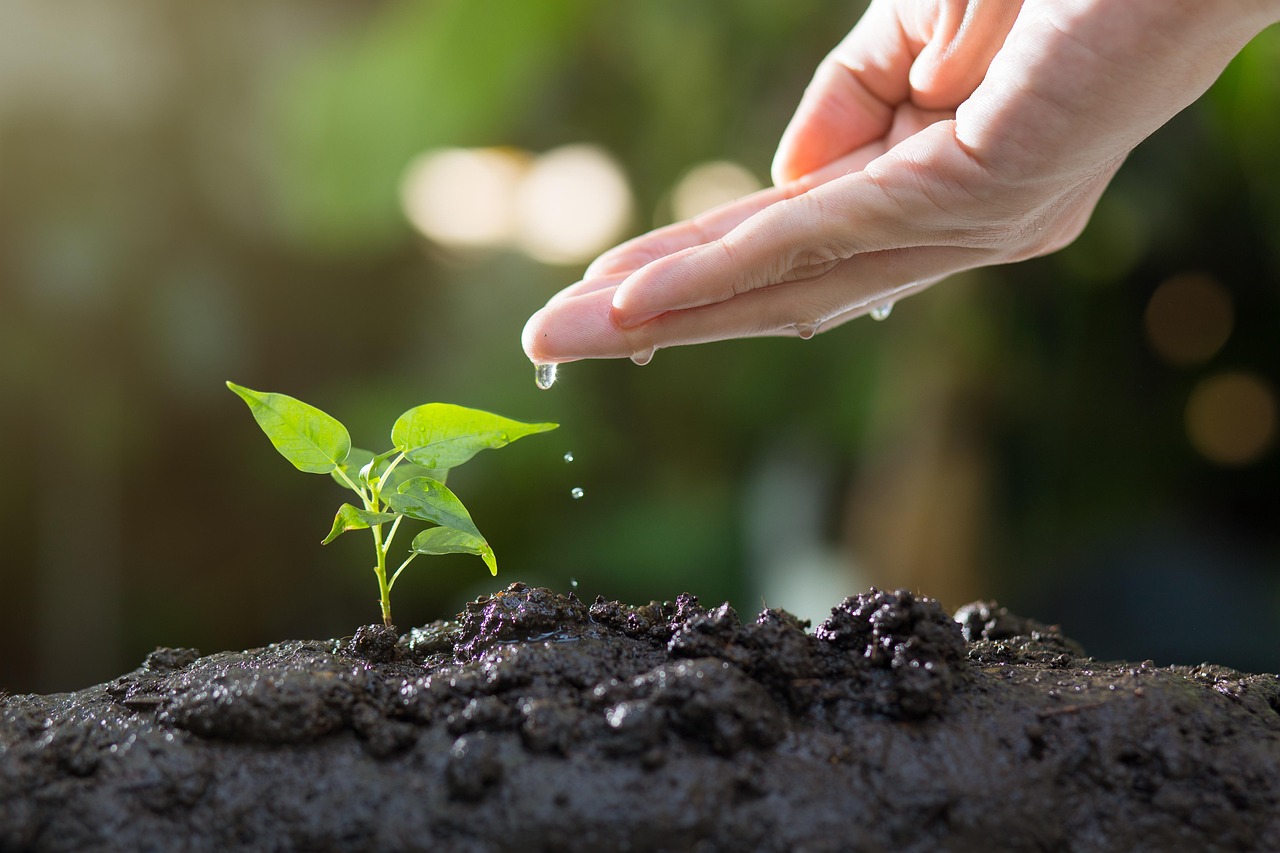
Once planted, a tree’s first few years are its most vulnerable. Regular attention ensures a healthy start. Water deeply during dry spells, particularly from spring through to autumn. One thorough soak is more effective than frequent shallow watering. Aim the flow at the root zone rather than the trunk, allowing deep moisture to promote strong root growth.
Mulch is a secret weapon for new trees. Apply a layer of bark chips or wood mulch around, but not touching, the base. This maintains soil moisture, suppresses weeds, and insulates roots from temperature swings. Renew annually, keeping the mulch clear of the trunk to prevent rot.
Feeding trees is seldom urgent in most garden soils if organic mulch is used. For nutrient-poor plots or when growth proves sluggish, a balanced slow-release fertiliser can be applied in early spring. Avoid overfeeding, which can cause weak, leggy growth rather than sturdy wood.
Regular Care: Pruning, Inspections, and Disease Control
Pruning keeps trees strong, balanced, and safe. The best time for most routine pruning is late winter or very early spring, when growth is dormant. Remove dead, damaged, or crossing branches to encourage healthy structure and clear airflow within the canopy. For larger specimens needing more significant reshaping, selective crown reduction techniques can improve light penetration while preserving the tree’s natural form.
New homeowners may feel tempted to cut aggressively or shape trees dramatically, but restraint brings better outcomes. Over-pruning can shock trees and leave them prone to infection. Always use sharp, clean tools and avoid cutting too close to the main stem. Topping . Lopping off the main branches at random points . Can create unstable, unsightly trees which can become hazardous.
Regular inspections, especially after storms, help catch problems early and can determine whether a storm-damaged tree can be saved. Look for signs of disease, such as discoloured leaves or cankers, and watch for insect infestations. In the UK, biosecurity is an increasing concern. Report any signs of unusual illness or pest activity to local authorities to reduce the risk of spreading problems between gardens.
Mistakes to Avoid with Garden Trees
Many new homeowners overlook how big trees will eventually become. Planting too close to the house, neighbours, or boundaries can cause headaches in years to come. Thirsty species, especially willows or large poplars, may interfere with foundations and drains in clay soils. Always check how large a species will grow before adding it to your planting list.
Another frequent error is hasty trimming, sometimes with the intention of shaping young trees. Understanding common mistakes after planting new trees can help you avoid poor structure and weak growth. Rather than frequent small cuts, focus on regular checks and well-timed, careful reductions only when genuinely needed.
Skipping annual mulching and leaving young trees to fend for themselves in dry weather are surefire routes to disappointment. Consistent care during a tree’s first three years sets the tone for a long, healthy life.
The Role of Professional Maintenance
Caring for trees sometimes calls for specialist input. Large, mature trees, or those near buildings and power lines, may require skilled attention to remain safe and healthy. Professional tree surgery services use advanced techniques and equipment to shape, maintain, and diagnose tree health without causing harm. Batterypowered tools are now favoured, reducing noise and pollution in residential areas.
Experts advise scheduling occasional professional surveys to identify hidden disease, pest infestations, or structural weaknesses. Early intervention prevents small issues from turning into costly emergencies. Maintaining healthy, attractive trees contributes to the character and value of your home.
Supporting Biodiversity and Sustainable Practice
Trees are much more than decorative. They form the backbone of urban wildlife habitats, and understanding what wildlife lives in mature trees can inspire more thoughtful garden planning from the outset. Choose native or wildlife-friendly varieties to draw pollinators, birds, and beneficial insects into your garden. Leave deadwood features from trimmed limbs as shelter for beetles or fungi where appropriate and safe.
In recent years, tree care in the UK has pivoted sharply towards sustainability. Use organic mulches, conserve water, and avoid excessive fertilisers or chemicals. Buying from UK nurseries not only ensures healthy stock but reduces the spread of plant diseases and invasive species.
Final Thoughts: Growing with Your Trees
Caring for garden trees as a new homeowner is a chance to shape the future character of your outdoor space. Every tree you plant and nurture today becomes a legacy for tomorrow, providing shade, shelter, and beauty while helping local ecosystems thrive.
Stay patient and attentive. Pay close attention to watering, mulching, and routine checks during the early years. Seek expert help for significant pruning or when you notice signs of trouble. With the right approach, your trees will become a valued, living part of your home for generations.
Ready to invest a little time in your trees today? That simple choice can lead to decades of life, growth, and green rewards.
Frequently Asked Questions
How often should I water a newly planted tree?
During its first two years, water deeply once a week in dry conditions, ensuring the soil around the root ball stays evenly moist. Adjust frequency during hot spells or very wet weather.
Why is mulching important for new trees?
Mulching retains soil moisture, insulates roots, suppresses competing weeds, and gradually improves soil structure. Be sure to keep mulch clear from direct contact with the trunk to prevent rot and discourage pests.