Can You Save a Storm-Damaged Tree?
Storms can unleash tremendous force on our surroundings, leaving in their wake splintered branches, torn bark, and, sometimes, a familiar old tree standing battered and uncertain. The possibility of saving a storm-damaged tree stirs a mix of concern and hope for many, but the reality depends on several crucial factors. Understanding how to assess damage, identify signs of recovery, and know when professional intervention is essential, allows you to make confident decisions for your tree’s future.
Unpacking the Impact of Storms on Trees in the UK
Recent years have brought a series of powerful storms to the UK, with events like Arwen (2021), Darragh (2024), and Éowyn (2025) collectively damaging millions of trees and resulting in over 1 million cubic metres of timber loss nationwide. Oak, beech, and ash have been particularly affected, with crown damage, why trees split during storms, and wind-throw among the most common outcomes. The scale of this devastation has prompted many property owners, gardeners, and councils to question whether recovery is realistic for their affected trees.
Yet, trees are often more resilient than they initially appear. In surveyed incidents, more than half of affected trees displayed crown damage without complete structural failure. A scenario where an expert-led response can give a damaged tree another chance. The real challenge lies in distinguishing between those that can recover with care, and those that will remain unsafe regardless of intervention.
Types of Storm Damage and How to Assess Them
The damage left behind by high winds, ice, and rain comes in many forms. You might see branches snapped clean off, while others hang broken, presenting a danger to both people and property. Sometimes, trunks can twist or crack under pressure; roots may even heave out of the ground, making the tree unstable. Less obvious issues, such as torn bark or exposed wood, might create entry points for disease and pests.
Careful inspection is the foundation for deciding whether a tree can be saved. Safety is always the first priority. It’s essential never to approach a tree with downed power lines or major hanging limbs. Once safety has been checked, focus on these key aspects:
- Extent of structural damage: Look for large splits, cracks in the trunk, or significant loss of major limbs. A tree with a compromised main stem offers little chance of safe recovery.
- Root stability: Sudden leaning, root plate movement, or visible root upheaval suggests instability, and learning how to spot root rot before it’s too late can help catch these issues early. Such trees are at high risk of falling in future storms.
- Crown health: Trees with a significant portion of healthy crown remaining often fare better. Single missing limbs can be removed, giving the tree time to recover.
- Presence of pests or disease: Fresh wounds are vulnerable to infection. Check for fungal growth or sap seepage which can complicate healing.
Sometimes, storm damage looks dramatic but is actually non-lethal for a tree. A mature shade tree can often survive the loss of several limbs if the trunk is sound and enough branches remain to allow for healthy regrowth over the next seasons.
When Can a Storm-Damaged Tree Be Saved?
Not every tree battered by a storm is beyond help. Several factors tilt the balance towards recovery, especially when prompt action and good care are involved. Consider saving a tree when:
- It is otherwise healthy and free from longstanding disease or pests
- Less than a quarter of the main crown branches are lost
- The main trunk is intact or only slightly wounded, with wounds smaller than 15% of the circumference
- It shows no sign of root upheaval or a sudden lean
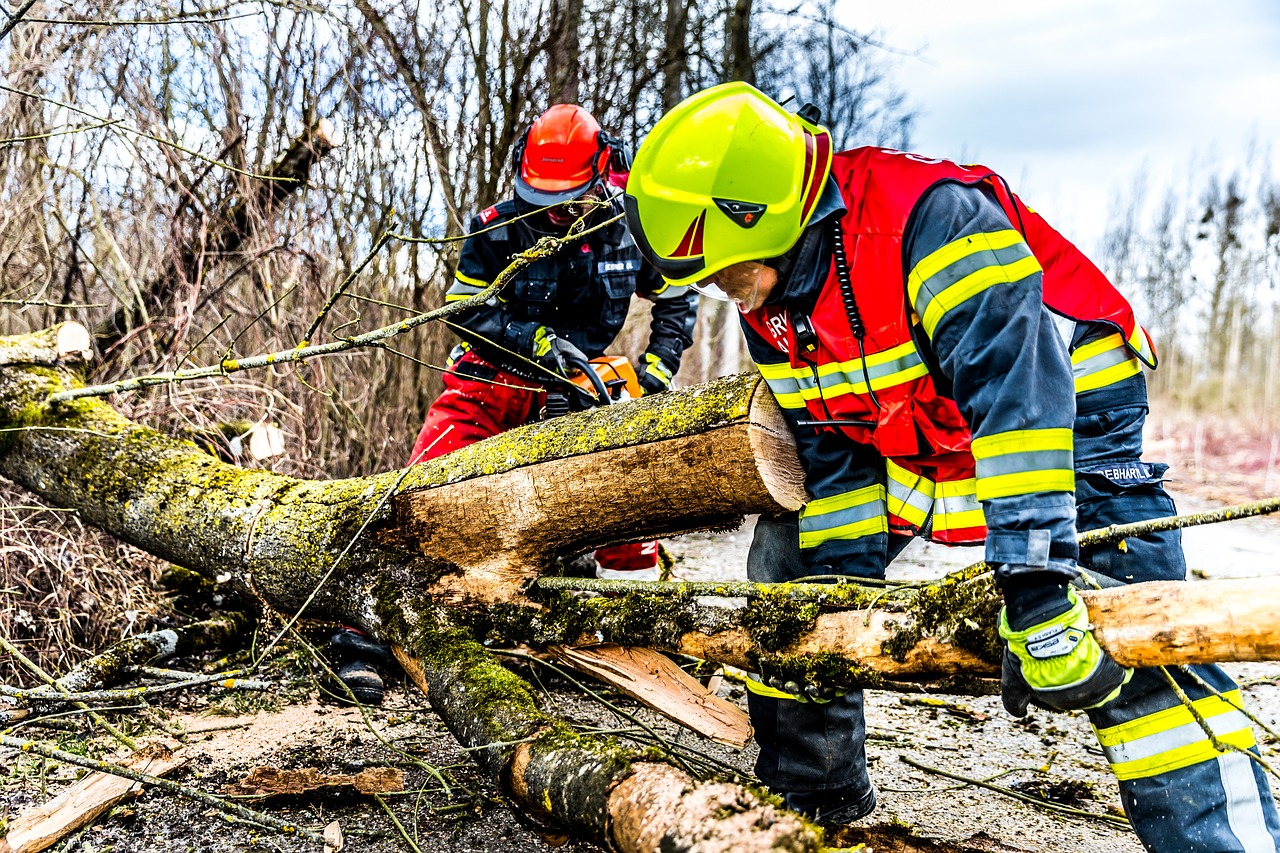
Prompt removal of broken branches with clean cuts, careful reduction of jagged tears, and avoiding unnecessary pruning can support recovery. Professional tree surgery uses pruning techniques that reduce the risk of further tearing and help prevent infection, and understanding the benefits of selective crown reduction can guide the approach taken. Trees often need several growing seasons to recover their shape and vigor, so patience is required. Regular watering during dry periods, mulching to preserve moisture, and avoiding compaction around the roots can speed recovery.
Sharing a real-world story, the Royal Forestry Society documented mature beech and oak in Cumbria thrown about by Storm Arwen in rugged terrain. After thorough safety assessments and the removal of hazardous limbs, specialists found that many survived and, a year later, showed strong new growth. This outcome underscores the power of expert-guided recovery when the remaining structure allows it.
When Removal Is the Wisest Choice
Sometimes the kindest and safest decision is to part with a much-loved tree. Trees should be removed when certain risk factors are present:
- The trunk is split or broken in multiple places
- A major portion of the root system is exposed or damaged
- The tree is suddenly leaning and unstable, especially near structures or power lines
- There is extensive crown loss or exposed, decaying wood
These conditions make further recovery all but impossible, or leave the tree vulnerable to collapse, risking injury or further damage. Recognising what makes a tree unsafe and consulting a professional with experience in storm-damaged trees ensures not only your safety but also compliance with local regulations, which may apply to protected species or conservation areas. Understanding what to expect during a tree removal project can also help you prepare for the process ahead, and tree removal services can guide you through every stage safely.
It helps to remember that, even after a removal, the site can be replanted with suitable species. Sometimes even encouraging more diversity and resilience in your landscape over time. Where a stump remains, deciding between grinding or removing a tree stump becomes the next consideration.
Essential Steps If You Choose to Save Your Tree
Deciding to try to save a damaged tree isn’t the end of the story. Take these concrete steps to give your tree its best chance:
- Safety assessment: If there are limbs hanging high up or the tree is unstable, rope off the area and keep people and pets clear until a professional can inspect it.
- Careful pruning: Remove any broken or torn branches using proper cuts, avoiding flush cuts that can slow healing. Resist the urge to over-prune; green leaves are crucial for energy production during recovery.
- Wound care: While it may be tempting to apply paint or sealant, most modern guidance suggests leaving wounds open to air, as nature heals best uncovered.
- Ongoing monitoring: Watch for signs of pests, decay, or further dieback over the next several months. Some trees take two or more growing seasons to recover their structure and canopy.
- Professional check-ups: Schedule regular inspections, especially for trees with sentimental value or those near homes and gardens. Skilled arborists can spot underlying issues before they become critical.
Storms remind us how dynamic nature can be, but also how much a steady hand can tip the balance towards survival.
Natural Resilience: Stories of Recovery
It can be uplifting to know that even after harrowing events, some trees have shown extraordinary resilience. After Storm Éowyn, rare and historic trees at the Royal Botanic Garden Edinburgh were battered and stripped of large limbs. Arborists acted swiftly, removing hazards and supporting remaining structures, and specialist rigging equipment often plays a key role in safely managing large, unstable limbs during this kind of work. Twelve months on, new shoots and steady canopy regrowth became visible even on the most storied specimens.
Across the UK, countless oaks and beeches have weathered decades of storms, bearing scars and yet thriving. These tales highlight how trees. When their essential structure remains intact. Can reclaim their vitality. The time, patience, and professional care invested are rarely wasted, especially when the right decisions are made early.
Final Thoughts: Giving Your Tree a Fighting Chance
A storm-damaged tree can spark conflicting feelings, blending hope with concern for safety and the environment. Quick, knowledgeable action gives a tree its best chance at recovery while ensuring your landscape remains safe and vibrant. Sometimes, letting go is the wisest path, opening the door for renewal and fresh growth.
Preserve what you can, call on experts when in doubt, and remember that every effort you invest into storm recovery contributes to a healthier, more resilient landscape overall. Your actions today may be shaping a legacy of green for years to come.
Frequently Asked Questions
How do I know if a storm-damaged tree is a hazard?
A tree becomes a hazard if it displays splitting, a new lean, visible root upheaval, or large broken limbs left hanging. When in doubt, consult a professional who can accurately assess its stability.
Can a tree fully recover its former shape after storm damage?
Full recovery takes time and often depends on how much of the original crown is left. Trees can heal remarkably well if the main trunk is sound and enough healthy branches remain, though their silhouette may never be exactly as it was before.