Tree Surgery for Holiday Parks and Campsites
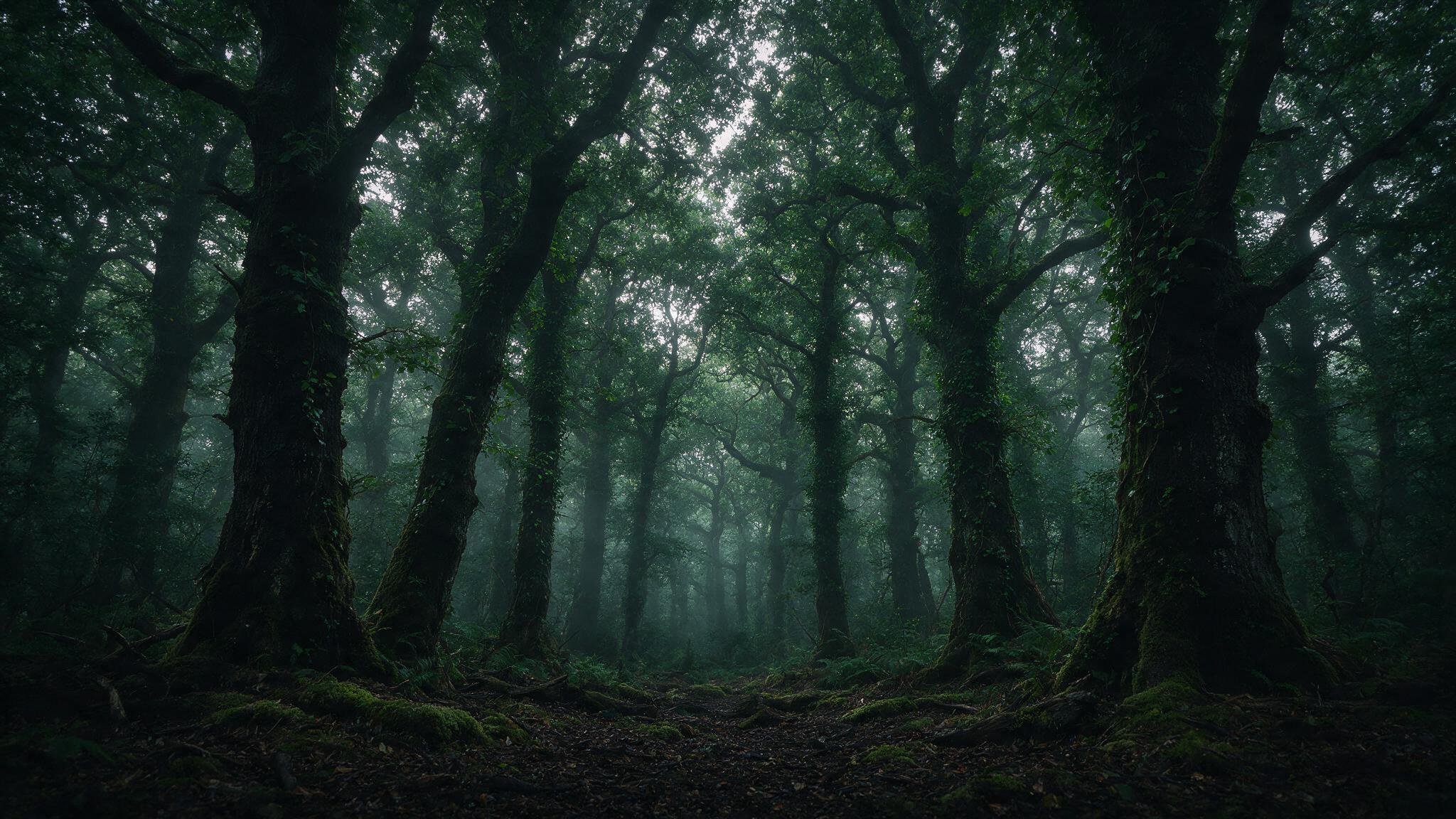
Holiday parks and campsites are defined by their natural spaces. The health and appearance of their trees create first impressions and lasting memories. Whether you manage a sprawling woodland retreat or a compact glamping haven, the influence of trees goes far beyond aesthetics. Trees structure landscapes, provide shade, attract wildlife, and contribute to guest wellbeing. At the same time, they can pose risks and complications without regular, expert attention. Tree surgery for holiday parks and campsites is about nurturing these green assets so they delight guests and remain safe for everyone.
Why Tree Surgery Matters in Recreational Sites
Tree work in public spaces like holiday parks is essential. Healthy, mature trees are a magnet for visitors, offering picturesque views, cooler spots in summer, and habitats for birds. Their presence plays a major role in creating calm, restorative places that keep guests returning year after year. Studies by forestry organisations highlight the wellbeing benefits linked to time spent among trees, with guests frequently rating leafy parks higher for relaxation and enjoyment.
Hazards are a real concern, though. Understanding what makes a tree unsafe helps operators spot dead or unstable branches before they pose serious risks. In high-traffic areas frequented by children and families, even a small branch falling can lead to injuries or property damage. Regular tree surgery is the surest approach for identifying and removing these threats before they become emergencies. All tree maintenance should be tailored to the unique environment of a campsite or holiday park, bearing in mind the intensive use and the diverse requirements for shade, privacy, and scenic value.
Essential Practices for Tree Surgery in Holiday Parks
Every park is unique, but certain core principles underpin responsible tree care in guest-facing environments. Qualified tree surgeons conduct thorough inspections, looking for signs of disease, structural weakness, or overcrowding. Pruning is planned not just to neaten, but as part of selective crown reduction techniques that ensure healthy growth, manage shading, and prolong the lifespan of each tree.
Modern arboricultural techniques now focus as much on long-term sustainability as on immediate safety. Sustainable tree work reduces waste by reusing timber and clippings, and minimising disturbance to wildlife habitats. BS 3998, the recognised standard for tree work in the UK, sets out clear expectations for pruning, felling, and aftercare. Adhering to these standards safeguards both the site’s appearance and the environment.
Wildlife and plant legislation also shapes what can happen, especially since mature trees often shelter nesting birds or protected species. The Wildlife and Countryside Act means a pre-work check by a trained arborist is essential before picking up any equipment. This careful planning avoids accidental disruption and keeps parks compliant with legal obligations.
Safety, Compliance, and Guest Confidence
Holiday parks host a constant flow of guests, meaning safety cannot be left to chance. Best practice demands risk assessments before, during, and after tree work. These assessments consider visitor routes, play areas, and accommodation proximity. Any issues. Such as weak limbs, fungal growth, or root instability. Are flagged and addressed proactively. Responsible park operators engage only insured and qualified professionals, ensuring safe handling of chainsaws and heavy limb removal, often relying on specialist rigging equipment that meets Health and Safety Executive (HSE) guidance.
Insurance requirements make compliance non-negotiable. Policies often stipulate that regular tree inspections and documented interventions are necessary. Not just for liability. Clear records also stand as a sign of professionalism, putting guests at ease every time they visit. Well-maintained trees, where hosts take pride and responsibility, build reassurance and satisfaction, making stays more enjoyable overall.
Tree Health: Understanding Disease and Pest Risks
Tree diseases and pest outbreaks are rising in the UK, with one new threat appearing almost every year. Campsites and holiday parks are especially vulnerable as trees here often contend with soil compaction, high foot traffic, and exposure to brought-in pests via tools, boots, or vehicles. Ash dieback, oak processionary moth, horse chestnut canker, and bacterial infections have all become serious concerns, with some species suffering dramatic declines.
Early detection and regular monitoring are vital. Professional tree surgeons identify subtle warning signs. Discolouration, dieback, or unusual leaf loss. And act quickly to treat or remove affected trees, since understanding what happens if you ignore a diseased tree makes clear how quickly small issues can escalate. This responsiveness stops problems from spreading, protecting both mature specimens and young plantings. It also supports biodiversity and the park’s long-term ecological health, since healthy trees underpin habitats for a range of species.
Shaping the Guest Experience and Landscape Value
Guests invariably value parks with sweeping canopies, secluded glades, and mature trees offering privacy between pitches. The presence of well-tended trees has a profound impact on overall satisfaction. Mature planting not only shields visitors from the elements, but also fosters a feeling of safety and seclusion, encouraging longer stays and positive feedback.
Maintenance does not just curb risks or improve appearances. Strategic pruning encourages trees to develop pleasing shapes, increases light where needed, and opens up scenic vistas. This blend of safety and artistry elevates the landscape and decisively separates high-quality holiday parks from the rest. The finest operators understand that investing in professional tree surgery amplifies both the aesthetic and commercial value of their site.
Practical Steps for Holiday Park Managers
Proactive managers integrate tree care into their operational routines. Annual or biannual inspections, scheduled outside of peak visitor times, keep disruption minimal while addressing issues in a timely way. Investing in ongoing training for grounds staff is another smart measure, ensuring teams spot early signs of stress or disease and notify specialists quickly when needed.
Working closely with professional tree surgeons means adopting an evidence-led approach to every intervention. This covers everything from timing work to avoid nesting periods, choosing tree-friendly machinery, and following strict biosecurity protocols to stop the spread of pests. Such diligence guarantees a safe, beautiful site where trees flourish and guests feel relaxed and reassured.
Final Thoughts: Creating Spaces Guests Love, Season After Season
Holiday parks and campsites have a unique bond with their environment. Strong, healthy trees reflect a commitment to quality, safety, and guest enjoyment. By prioritising careful surgery, regular health checks, and expert input, managers preserve not only their site’s beauty but also its reputation and future potential. The care invested today shapes a lasting legacy, ensuring families and guests return to find the natural spaces they cherish thriving year after year.
Seeking qualified advice for your park or campsite can transform routine maintenance into a standout feature of your site. If enhancing safety, boosting guest satisfaction, and preserving your landscape matter to you, now is the moment to act. Prioritise tree care. Your guests, your business, and nature itself will reap the rewards.
Frequently Asked Questions
How often should tree inspections be carried out in a holiday park or campsite?
Annual inspections are the recommended minimum, but biannual checks. Particularly after storms, when even healthy specimens may need assessment for storm damage recovery. Or periods of heavy use provide more robust protection. Unusual weather, outbreaks of disease, or visible stress in the treescape should always prompt an additional review by a qualified arborist.
Is it necessary to close parts of a park during tree work?
Safety comes first, so certain zones near tree surgery operations may need temporary closure. Careful scheduling and clear communication with guests help minimise disruption. Most routine tasks can be planned for quieter periods, ensuring a smooth experience for visitors.