Tree Surgery in 2026: Top Eco-Friendly Trends and Smart Solutions in the UK
Tree care in the UK has undergone a transformation. Regulations, new technology, and a wave of eco-conscious innovation are shaping the way homeowners and land managers approach their woodland spaces. If you’re keen to keep up with what’s fresh, sustainable, and genuinely beneficial for both trees and the wider environment, 2026 brings a unique opportunity to rethink traditional practices.
The Rise of Sustainable and Eco-Friendly Tree Surgery
Sustainability stands at the centre of modern UK arboriculture. Gardeners and professionals now focus on minimal impact, using methods that enhance tree health with less waste and lower emissions. Practices such as recycling pruned wood into mulch, promoting biodiversity through wildlife-friendly habitats, and introducing beneficial fungi for root health have become commonplace. The ethos of “reuse and renew” defines the current approach, where modern tree surgery treats removal as a last resort and every action considers the long-term well-being of both tree and soil.
Stricter environmental expectations are the new reality for responsible property owners. Increased awareness of habitat loss, carbon sequestration, and climate change drives the shift toward eco-friendly strategies. Land managers now prefer regular health checks and preventive care over drastic interventions. Embracing these trends helps preserve Britain’s urban forests for future generations while giving gardens and green spaces a real advantage in resilience and vitality.
How Smart Technology is Changing Tree Care
Cutting-edge technology is rapidly reshaping typical tree management routines. Digital pest monitoring and smart diagnostics now play a starring role. Real-time IoT sensors, often linked to user-friendly dashboards, allow both homeowners and professionals to keep a close eye on moisture levels, sap flow, and pest populations. With live feedback and diagnostic alerts, potential issues can be tackled before they escalate, preventing disease and optimising interventions. These tools work hand in hand with why regular tree inspections matter, giving owners a complete picture of tree health across every season.
Drones are now a regular feature in tree care. High-resolution imaging and thermal analysis reveal signs of stress or disease long before anything is visible from the ground. These tools not only improve accuracy but also reduce the need for invasive inspections, which further protects tree bark and surrounding habitats. Remote technology blends traditional advice with the benefits of early detection, giving everyone the opportunity to respond quickly to emerging challenges.
The Impact of Battery-Powered and Electric Equipment
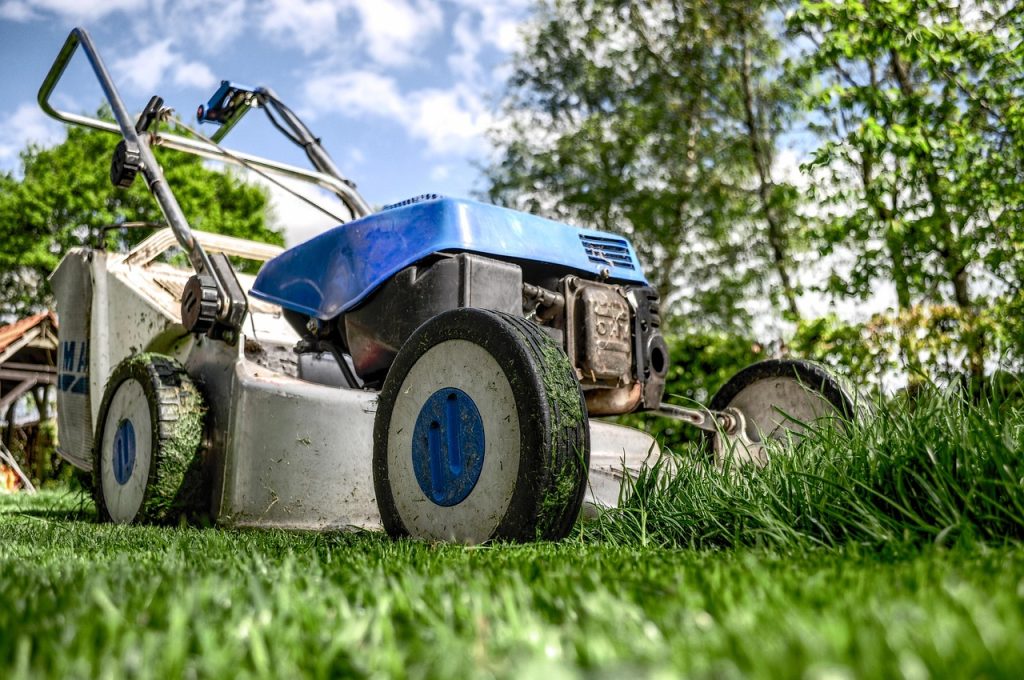
Battery and electric tools have changed the soundscape of UK gardens. The days when petrol-driven machines echoed through residential areas have faded. Modern chainsaws, hedge trimming equipment, and stump grinders now deliver performance to match or even surpass their older, fossil-fuelled counterparts. These machines are significantly quieter, cutting noise pollution and offering a more pleasant experience, whether you’re working early on a summer morning or tending an urban courtyard.
Quieter operation comes with pronounced environmental benefits. Battery-powered equipment emits no direct pollutants, helping improve local air quality and contributing to wider national net-zero ambitions. The lighter design of these tools also reduces operator fatigue, which increases safety and efficiency for both professionals and home gardeners. Coupled with the low running costs and minimal maintenance, it’s clear why these electric alternatives lead the industry, whether it’s a pole saw for canopy work or modern stump removal machinery for clearing old roots.
Recycling and responsible disposal of old batteries and spent equipment are now an embedded part of modern tree surgery. As these tools become common, businesses and homeowners alike are careful to close the loop, ensuring every step of the process is as green as possible.
New Environmental Regulations and Compliance for 2026
The legal landscape for tree care has evolved quickly. Local authorities and environmental agencies demand accountability as tree preservation moves further into the spotlight. The updated Tree Preservation Orders (TPOs) require property owners to stay well-informed. Key changes include streamlined application procedures, reinforced requirements for protecting native species, and stricter enforcement of unauthorised works.
Compliance isn’t just about avoiding fines. It gives clarity for long-term planning and protects neighbourhood green corridors, even as climate and urban pressures grow. New phytosanitary certifications and plant passports are frequently requested when moving or planting trees. These stricter protocols help combat the rise in pest and disease threats, shaped by both climate change and increased international trade. Arborists and homeowners are now expected to maintain comprehensive digital records for every intervention, from routine pruning to major removals, and understanding how to prevent trees becoming hazardous is a key part of that responsible management. Such transparency makes it easy to demonstrate responsible management and ensure your green assets are sustainable for years to come.
Professional consultation is strongly recommended, as regulations can vary by council and change as new environmental risks emerge. By staying proactive, property owners can support the wider health of the UK’s treescape and avoid unwelcome surprises.
Practical Advice for Embracing Eco-Conscious Tree Care
Bringing these trends into your own routine is more accessible than ever. Start with regular inspections. Smart sensors and digital diagnostic tools give you instant insight into soil moisture, pest activity, and early signs of disease. If you don’t have access to the latest tech, regular visual checks during each season, paired with digital record-keeping, can help track any changes. These habits are especially valuable for anyone following tree care tips for new homeowners, who may be managing established trees for the first time and want to switch to battery-powered equipment responsibly.
Waste from pruning or felling presents a fresh opportunity. Convert it into mulch for flower beds or create log piles that provide habitats for wildlife. For major interventions or compliant work near protected trees, collaborating with a certified arborist ensures your approach respects both modern regulations and the ecological value of your trees. Finally, adopting low-impact working practices, like scheduling work outside of peak nesting or flowering times, displays a wider awareness of delicate local ecosystems.
Tree care in 2026 has become a careful blend of expert craft and environmental stewardship. Take pride in adopting techniques that keep your trees thriving while supporting the nation’s ambitious climate and conservation goals.
Frequently Asked Questions
What makes battery-powered tree surgery equipment better for the environment?
Battery-powered tools do not produce emissions during use, which keeps local air quality cleaner. They are quieter, use less energy, and modern battery recycling programmes help reduce waste and resource use across their lifespan.
How can I keep my trees healthy while respecting the latest UK regulations?
Stay current by scheduling routine tree assessments and keeping thorough records of any work performed. Work with professionals who are familiar with updated environmental and TPO regulations, use digital monitoring if available, and choose low-impact, wildlife-friendly methods whenever possible.