Signs a Tree Needs to Be Removed Before It Becomes Dangerous
Healthy trees add beauty, shade, and value to a property, but when a tree starts to decline or develops structural problems, it can quickly become a real hazard. How can you tell when a tree is no longer safe to keep? Recognising the warning signs early allows homeowners to take action before damage or injury occurs.
Why Tree Safety Matters
Too often, people underestimate the real risks posed by decaying or unstable trees. Reports from UK surveyors attribute over 65% of clay subsoil subsidence damage to trees and large vegetation. Falling branches or entire trees can result in injuries, fatalities, and substantial property loss, especially during high winds. Understanding what makes a tree unsafe helps homeowners recognise problems before they escalate. Regular assessments and timely intervention help prevent such incidents. Serious consequences highlight not only the importance of careful monitoring but also the peace of mind that comes with it.
Dead or Hanging Branches
Dead or hanging branches are among the most obvious signs that a tree is posing a risk. These limbs can break off without warning, particularly during storms or strong winds. Often referred to as “widow-makers,” they can cause severe harm or fatality if they fall. If more than half of the tree’s branches are dead or dying, removal is strongly advised for safety.
Significant Lean
A tree that suddenly starts to lean is a clear sign of trouble. Gradual, natural lean is not usually an immediate concern, but a recent shift can indicate root damage or weakening. If a tree is leaning over 15 percent from vertical, its anchoring roots may be compromised. This unstable position increases the likelihood of the tree falling, endangering people and property nearby.
Trunk Damage and Decay
Cracks that extend deep into the trunk or visible cavities are red flags. When the main trunk or large limbs show extensive decay, large areas of missing bark, or fungal growths like mushrooms, the tree’s internal structure may no longer support its own weight. Inspecting for hollow sounds or missing sections helps reveal whether the tree is weakened to a dangerous extent.
Root Problems and Heaving Soil
The root system serves as the foundation for any tree. Signs of root decay, fungal growth at the base, or soil heaving around the trunk suggest the tree’s stability is compromised. Learning how to spot root rot before it’s too late can help catch these issues while they’re still manageable. Roots damaged by construction, waterlogging, or disease undermine the whole structure, making it prone to unexpected failure. Sometimes, roots become exposed due to erosion or poor planting practices, increasing risk further.
Signs of Disease or Severe Pest Infestation
Disease in trees can spread quickly, affecting their overall health and structure. Look out for wilting leaves, unseasonal leaf loss, discolouration, or abnormal growths. Bark beetles, wood-boring insects, and fungi can all contribute to internal decay. Rapid deterioration, especially if multiple symptoms appear at once, may warrant removal to protect other vegetation and ensure safety.
Hollow or Cavities in the Trunk
A tree with a hollow trunk or large cavities is more fragile than it might appear. Though some trees can survive for years with small hollows, large or expanding gaps mean reduced strength. A hollow that affects more than a third of the circumference often signals the tree cannot withstand strong winds, making removal a prudent choice.
Fungal Growth at the Base
Mushrooms or bracket fungi growing near the roots or at the base point towards internal rot. Even if a tree appears healthy otherwise, these fungi can indicate that the base is decaying from the inside, leaving the structure unsupportable. Such signals merit immediate attention from a qualified professional, as they often develop out of sight long before obvious symptoms emerge.
Trees Interfering with Structures or Services
Trees growing too close to buildings, power lines, or driveways come with unique dangers. Roots can damage foundations, lead to subsidence, or disrupt underground utilities. Overhanging branches can impact roofs and gutters, while close proximity to power lines increases fire hazards. Local guidelines stress the importance of keeping sufficient clearance between mature trees and key structures. Sometimes, pruning can solve the issue, but when space is inadequate or the tree is causing recurrent problems, removal becomes the safest step.
Past Storm or Lightning Damage
Trees that have been struck by lightning or damaged in severe weather events can develop hidden weaknesses. Even if the damage appears minor, internal cracks or split limbs may set the stage for later failure. Determining whether a storm-damaged tree can be saved requires careful assessment, with safety taking precedence when instability is detected.
When Immediate Action is Necessary
There are times when waiting is not an option. If a tree exhibits sudden severe leaning, extensive root upheaval, major splits in the trunk, or large falling branches, prompt removal is crucial. Incidents involving children, pathways, or adjacent properties heighten the urgency. Taking action swiftly may prevent accidents, legal complications, and expensive repairs.
The Role of Routine Inspection
Routine inspection plays a critical part in identifying early warning signs. Understanding why regular tree inspections matter can distinguish between superficial issues and structural ones. Professional assessment is valuable for distinguishing dangerous trees from healthy ones in decline. Careful monitoring and consultation from trained arborists serve as a reliable safety net, catching issues before they spiral out of control.
Best Practices for Tree Removal
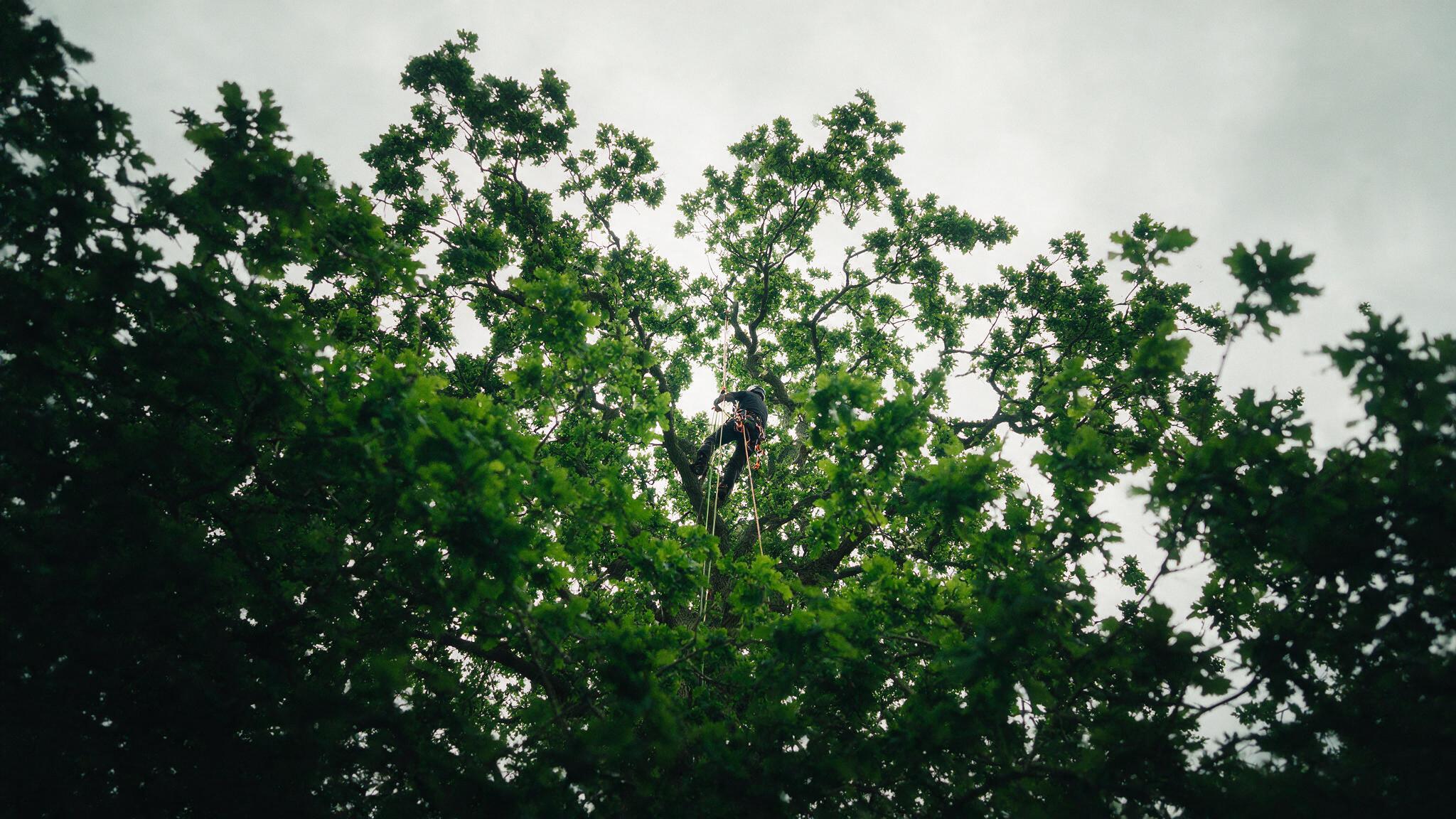
Tree removal is rarely a simple task. Unlike pruning, which may suffice for certain problems, removal requires careful planning and expertise. Sectional dismantling allows for safer removal in confined spaces where straight felling is impossible. Understanding what to expect during a tree removal project helps homeowners prepare for the process ahead. Environmental considerations also come into play, as responsible disposal of wood and protection of nearby wildlife habitats are best practices. In the UK, legislation may require notification or permission to take down trees, especially those with preservation orders. Homeowners should verify local regulations before proceeding.
Professional tree removal teams use specialised equipment, work according to strict safety standards, and understand the physics involved in handling large, unpredictable objects. Attempting removal without proper skills and tools introduces unnecessary risk and is rarely recommended.
Straightforward Steps for Homeowners
Wondering what you should do if you suspect a tree on your property is unsafe? Start with a thorough walk-around. Look for the common warning signs: dead limbs, leaning trunk, cavities, fungal growths, compromised roots, storm damage, and structural proximity. If anything worries you, speak to a qualified arborist for a formal evaluation. Keep in mind that early detection often reduces both risk and cost. Taking a proactive approach is not just wise. It can spare you unnecessary distress in the future.
When in Doubt, Seek Professional Guidance
Expert advice provides clarity when situations are unclear. Sometimes, what appears dangerous can be managed through careful pruning or soil improvement, but significant structural issues require skilled intervention. Trusting professionals to handle hazardous removals is not just about compliance. It is about protecting everyone who lives on or visits your property.
Ultimately, vigilance combined with swift action lays the groundwork for safer gardens and communities. The peace of mind gained from taking responsible steps far outweighs the risks associated with hesitation.
Frequently Asked Questions
How often should trees on my property be inspected for hazards?
Mature trees near homes, paths, or public spaces benefit from a detailed inspection at least once a year. After severe storms or unusual weather, an extra check is wise. Younger or isolated trees may require less frequent monitoring, but visible changes should always prompt a closer look.
Can diseased or damaged trees sometimes be saved instead of removed?
Occasionally, trees affected by pests or minor decay can recover with targeted treatment, pruning, or improved soil conditions. However, if the structural integrity of the tree is significantly compromised, removal is the safest option. Consulting a professional ensures the best course of action for long-term safety and landscape health.