2026 Tree Surgery Trends in the UK: Sustainability, Smart Tech, and Eco-Friendly Solutions
Trees have always shaped the character of British landscapes. In 2026, tree surgery is evolving at an impressive pace, woven tightly with themes of sustainability and digital innovation. As environmental expectations climb higher and climate challenges intensify, arboriculture professionals are adopting advanced approaches that serve both the planet and local communities.
A New Era of Regulations and Preservation Orders
Recent years have seen the UK reinforce environmental protection measures. Regulations governing tree works are more comprehensive, making it essential for homeowners, property managers, and tree professionals to remain up to date. Updated Tree Preservation Orders (TPOs) and strengthened planning procedures now prioritise the safeguarding of ancient and ecologically important specimens. These statutory protections help ensure healthier city canopies and rural woodlands for future generations. Permits and compliance have become stricter, reflecting a broader drive towards accountability. Ignoring the legal framework can result in severe penalties, so it’s never worth skipping this vital step.
British Standards, including the widely adopted BS 3998 for tree work, remain at the heart of responsible arboricultural practice. They provide a benchmark for everything from light maintenance pruning to major tree surgery and removals, framing how professionals operate in 2026.
Digital Intelligence Enters the Canopy
The use of smart technology has expanded rapidly, offering remarkable improvements in tree health monitoring. With the proliferation of drones, remote diagnostics, and Internet of Things (IoT) sensors, tree surgeons can now assess tree health with heightened precision and often without needing invasive inspections. Drone-assisted canopy mapping delivers high-resolution imagery, helping experts identify subtle signs of disease, drought, or instability well before these issues threaten public safety. This shift underscores why consistent tree health monitoring has become such a cornerstone of modern arboriculture.
IoT sensors, attached directly to branches or integrated within the soil, provide real-time data on moisture levels, sap flow, and even tree stress reactions during storms. This information empowers proactive decision-making, reducing emergency interventions and enabling healthier, longer-lived trees in both urban and rural settings.
Greener Tools for a Cleaner Tomorrow
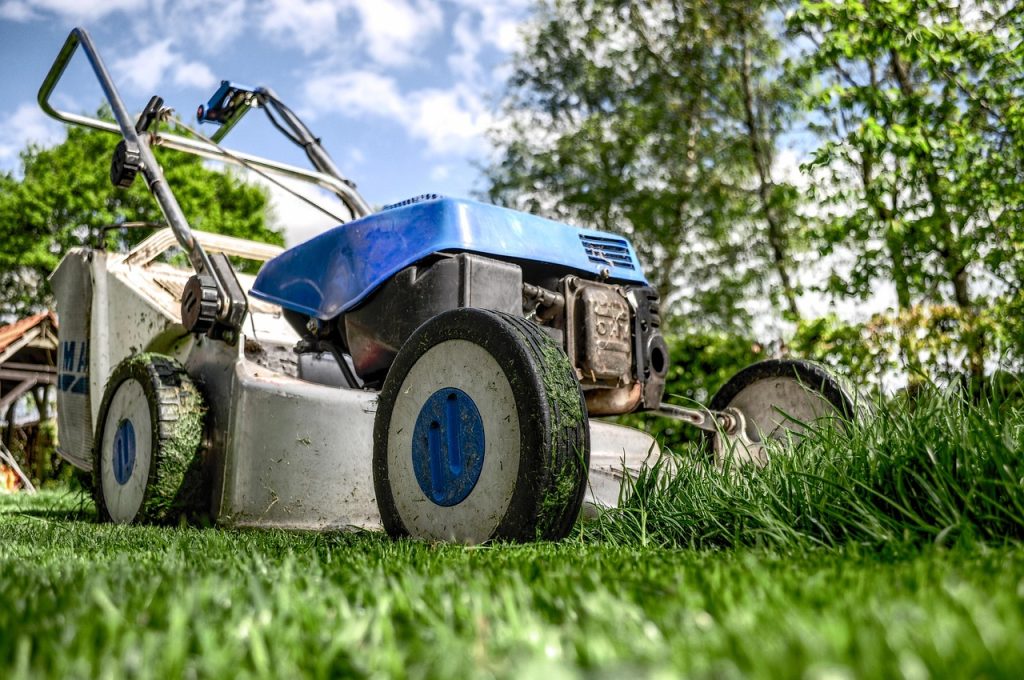
Eco-friendly innovation is evident across all aspects of tree care in the UK. One of the clearest shifts in 2026 is the widespread use of electric and battery-powered equipment. Chainsaws, trimmers, and stump grinders now run quietly and emit only a fraction of the pollutants generated by their petrol-powered predecessors. This technology brings several benefits. Quieter machines preserve neighbourhood tranquillity and make early mornings or evening work far less intrusive, whether crews are carrying out stump removal or routine canopy maintenance.
Not only does this equipment support cleaner urban air, but it also aligns with increasing pressure on UK businesses to meet stringent emissions targets. The lighter, ergonomic design of modern electric tools has also improved safety and comfort for those maintaining Britain’s green spaces. Waste now rarely goes to landfill, with green cuttings increasingly recycled onsite into mulch or compost – further closing the loop on sustainable practices.
Tackling New Threats with Integrated Pest Management
Pest and disease threats to UK trees are changing subtly but steadily as the climate warms and new challenges emerge. Integrated Pest Management (IPM) principles are now central to best practice. Tree surgeons develop tailored plans that combine biological control methods, regular digital monitoring, and highly selective treatments, with early awareness of issues like root decay proving just as valuable as spotting root rot before it’s too late.
Chemical pesticides remain a last resort and, where used, are chosen to avoid harm to pollinators or surrounding wildlife. The arrival of digital dashboards means homeowners are now kept in the loop about the measures being used in their own gardens. This transparency builds trust and encourages informed participation in caring for the nation’s trees. Developments in biotechnology, coupled with real-time risk modelling, are empowering professionals to quickly respond to outbreaks such as Dutch Elm Disease and ash dieback.
How Homeowners Can Choose Sustainable and Compliant Services
Selecting a tree care partner in 2026 requires care, curiosity, and a strong eye for sustainability credentials. Reputable professionals place compliance with TPOs and all legal obligations at the heart of their service. For anyone planning significant tree removal or works on protected specimens, it’s crucial to check that written permission has been granted and that the company is familiar with the latest British Standards.
Look for teams using modern equipment powered by electricity or batteries and ask about the end destination of green waste. Does the company focus on soil health, use organic mulch, or offer advice on planting resilient species? These are strong signs of a progressive, environmentally responsible team. Insist upon transparent communication about all planned interventions, and consider seeking advice on creating a mixed, climate-resilient selection of trees suited to your local conditions.
The Impact: Benefits for Landscapes and Communities
With these 2026 trends, the entire approach to tree surgery is moving closer to nature. Trees cared for under this new, forward-thinking regime are more resilient, aesthetically pleasing, and better able to provide the environmental services we rely on. From cleaner air to cooler streets to wildlife habitats. Urban neighbourhoods benefit from quieter maintenance routines, cities gain resilience against extreme weather, and householders discover new opportunities to engage with greener gardening practices, including knowing whether a storm-damaged tree can be saved rather than lost altogether.
The realities of climate change mean the fundamentals of arboriculture must evolve. Digital diagnostics, low-emission machinery, and integrated pest management provide a toolkit that’s truly up to date. As a result, both new plantings and venerable, centuries-old specimens have a stronger chance of thriving.
A Forward-Looking Approach to Arboriculture
The trees gracing UK gardens, streets, and woodlands are in safer hands than ever before. High standards combined with cutting-edge technology and eco-minded tools create a powerful recipe for both sustainability and beauty. With landscape changes accelerating, the value of thinking ahead. And acting with care. Has never mattered more.
Are you responsible for trees in your community, or keen to nurture a resilient garden? Take the time to choose a knowledgeable, future-facing professional. By demanding sustainable practices and being open to new solutions, you become part of a movement safeguarding Britain’s trees for generations. Consult with skilled experts, keep the environment at the centre of your decisions, and notice what a difference progressive tree care can make.
Frequently Asked Questions
What makes a sustainable tree surgery service in 2026?
A sustainable service uses electric or battery-powered machinery, prioritises compliance with the most current regulations, recycles green waste locally, and favours integrated pest management with minimal chemical inputs. Clear communication and a long-term commitment to local biodiversity also set these teams apart.
Do I need permission before pruning or removing a tree in the UK?
You should always check local regulations, especially if the tree falls under a Tree Preservation Order (TPO) or is within a conservation area. Written permission is required for work on protected trees. Failing to obtain this can result in legal consequences, so verification beforehand is vital.